Will a circular economy for plastics help to solve the climate crisis?
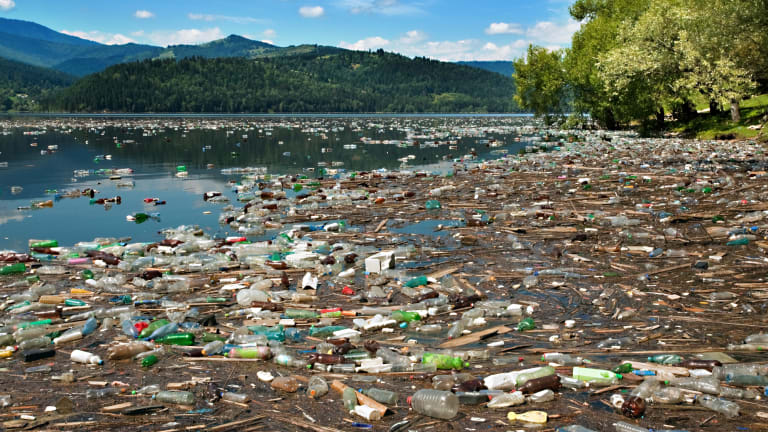
Plastic garbage is choking the world and harming marine life. According to the International Union for Conservation of Nature (IUCN), about 300 million tonnes of plastic are manufactured each year for use in a wide range of applications.
Every year, at least 14 million tonnes of plastic wind up in the ocean, accounting for 80 percent of all marine trash discovered. Plastic pollution has a significant impact on marine life and ecosystems on land. A circular economy model for plastics is one possible solution.
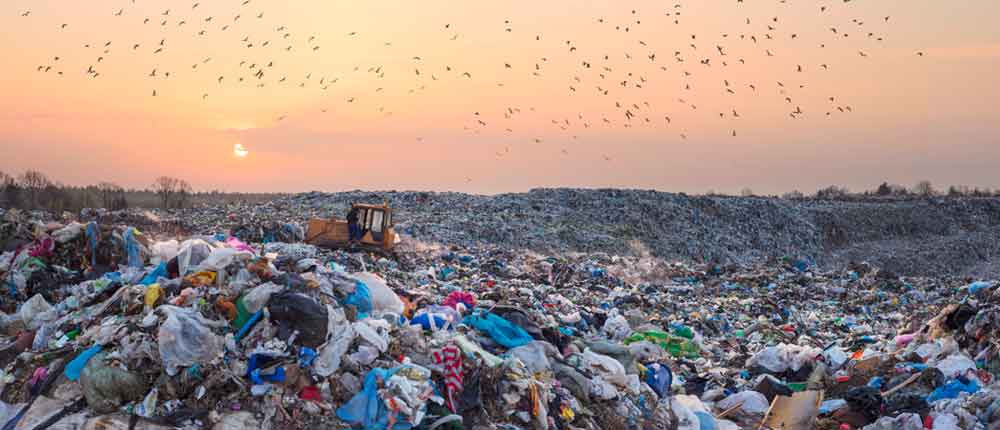
Businesses gather materials from the Earth, use them to manufacture products and packaging, and then throw them away as waste in our current unsustainable economy. This ‘linear’ process adds to environmental challenges such as climate change, biodiversity loss, waste, and pollution.
The circular economy is founded on three ideas: eliminate waste and pollution, circulate products and materials, and rejuvenate nature. It entails looking for ways to ‘design out’ waste while products are still at the concept stage. Sharing, leasing, reusing, repairing, refurbishing, and recycling existing plastic products will prevent waste and reduce fossil fuel consumption.
A genuinely circular economy on plastic will avoid ocean plastic pollution by retaining its value rather than becoming garbage, preventing litter and pollution.
Once you’ve used a plastic product, you may recycle it – or get a little reimbursement through a deposit return scheme – and it’ll be converted into a new one. The next product you purchase would therefore be made entirely of recycled materials, and so on. The circular economy relies heavily on recycling programs.