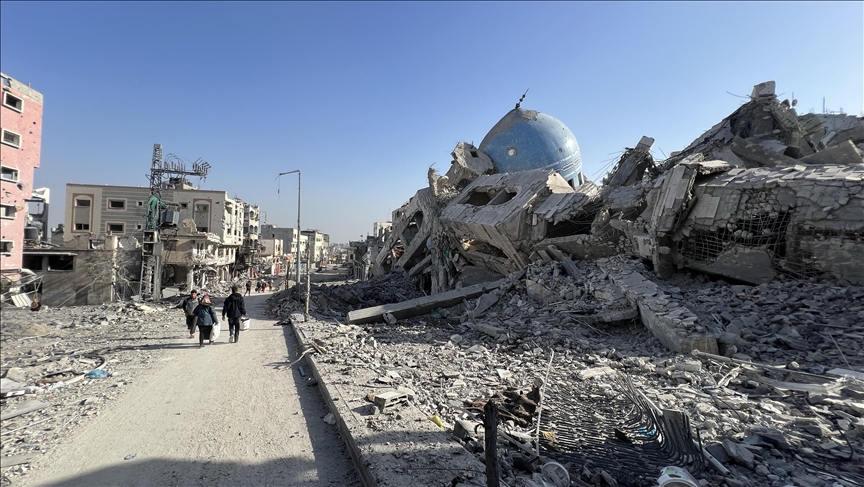
A budget cease-fire can’t mask the deeper humanitarian and strategic cracks; diplomacy must move from pause to structure.
Over the weekend leading up to 20 October 2025, a fragile cease-fire in the Gaza conflict faced fresh shocks. A Palestinian strike killed Israeli soldiers, prompting bombardment and threatening collapse of the truce. U.S. envoys rushed to de-escalate.
This moment reveals the precarious nature of short-term cease-fires: they pause conflict but don’t necessarily transform underlying drivers — political, territorial, humanitarian.
What matters:
- Aid access & humanitarian corridors remain blocked, limiting relief despite cessation of major combat.
- Psychological stability: civilians on both sides remain traumatized; “silence” doesn’t equal normalcy.
- Regional spill-over: neighboring states watch closely; every mis-step may draw external actors deeper.
- Durability of diplomacy: A cease-fire without roadmap is like a stopper in a leaking boat.
For the Tezla News global audience, this is a reminder that in modern conflict, pause is not the same as resolution. Real peace demands systems, accountability, relief, and long-term vision — not just bombs-to-quiet.