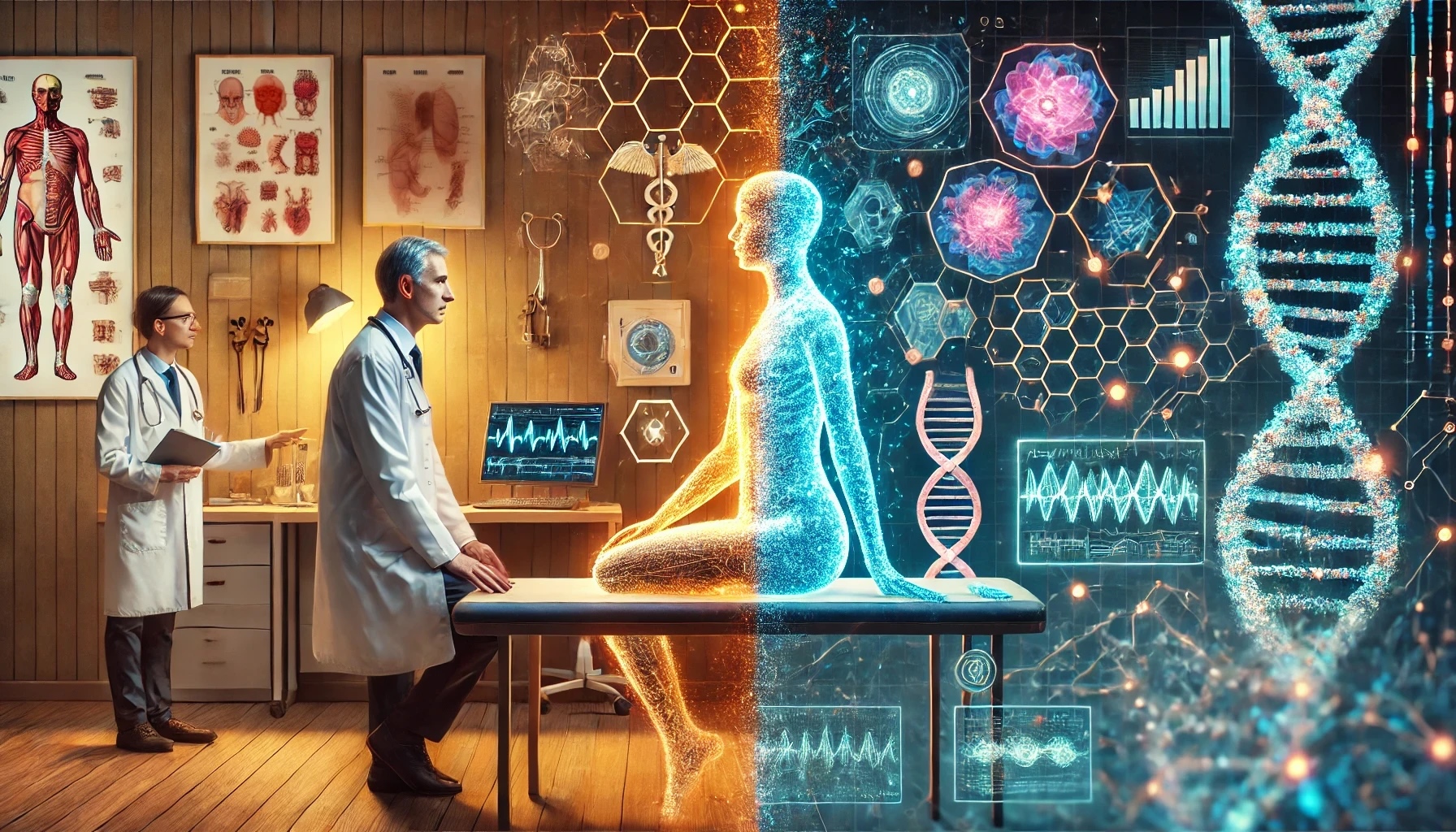
From diagnosing cancer to predicting heart attacks, artificial intelligence is transforming healthcare — but raising deep ethical and privacy dilemmas.
When 42-year-old Sarah Ng uploaded her chest X-ray to a digital clinic in Singapore, she didn’t expect an AI — not a doctor — to detect early signs of lung cancer. That scan may have saved her life.
Stories like Sarah’s are becoming common. In 2025, AI systems can now detect diseases earlier and more accurately than many human doctors. Tools like Google’s Med-Gemini or IBM’s Watson Health 2.0 are analyzing millions of health records, spotting patterns invisible to the human eye.
For patients, this means faster diagnoses and more personalized care. For doctors, it’s a revolution in decision support. For healthcare systems, it’s potential billions saved in reduced misdiagnosis and hospital stays.
But there’s a catch: trust and transparency. Algorithms learn from data — and that data often reflects human bias. Studies have shown that some AI tools underdiagnose certain ethnic groups due to lack of diverse training data. Others raise privacy concerns, as sensitive medical information flows through corporate servers.
“AI is not neutral,” warns Dr. Javier Morales, a bioethicist at Stanford. “It inherits our flaws — and amplifies them if unchecked.”
Then there’s the human connection. Patients value empathy, reassurance, and judgment — traits no algorithm can replicate. Doctors fear a future where healthcare becomes a cold transaction between humans and code.
Yet, done right, AI could make healthcare more equitable, not less. It can bring quality diagnostics to remote areas, predict epidemics, and help allocate scarce resources efficiently.
The key lies in governance. Transparent data policies, inclusive datasets, and human oversight are essential if AI is to heal rather than harm.
The age of algorithmic medicine is here — and its health will depend on how responsibly we train the machines that are now learning to heal us.