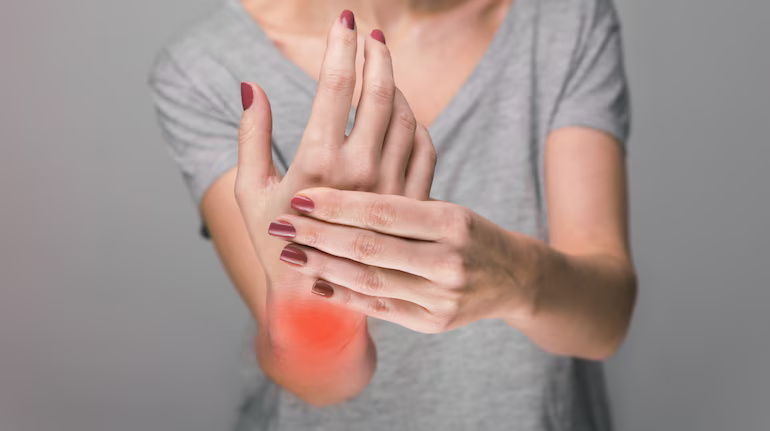
On World Arthritis Day (October 12), experts highlight that women are disproportionately affected by arthritis — a pattern driven by biology, healthcare gaps, and social norms.
Every October 12 is World Arthritis Day, and in 2025 the spotlight falls on a pressing disparity: women are more prone to arthritis than men.
Why does this disparity exist? Researchers point to multiple factors:
- Hormones & inflammation: Estrogen fluctuations influence joint tissue and immune response.
- Autoimmune overlap: Women are more likely to develop autoimmune diseases like rheumatoid arthritis, which affect joints.
- Genetics & biology: Differences in cartilage structure, bone density, and immune profiles may play a role.
- Social burdens: Women often juggle more caregiving roles and later health-seeking behavior, delaying diagnosis.
The consequences are significant: higher pain burden, greater disability, and reduced quality of life. Yet arthritis often remains underdiagnosed and underfunded in many countries.
On a positive note, advances in biologics, personalized treatment, and early diagnostic tools offer hope. But equitable access remains critical.
For Tezla News, this is a moment to elevate awareness: arthritis is not just a “wear-and-tear” disease — it intersects gender, access, and chronic health systems.