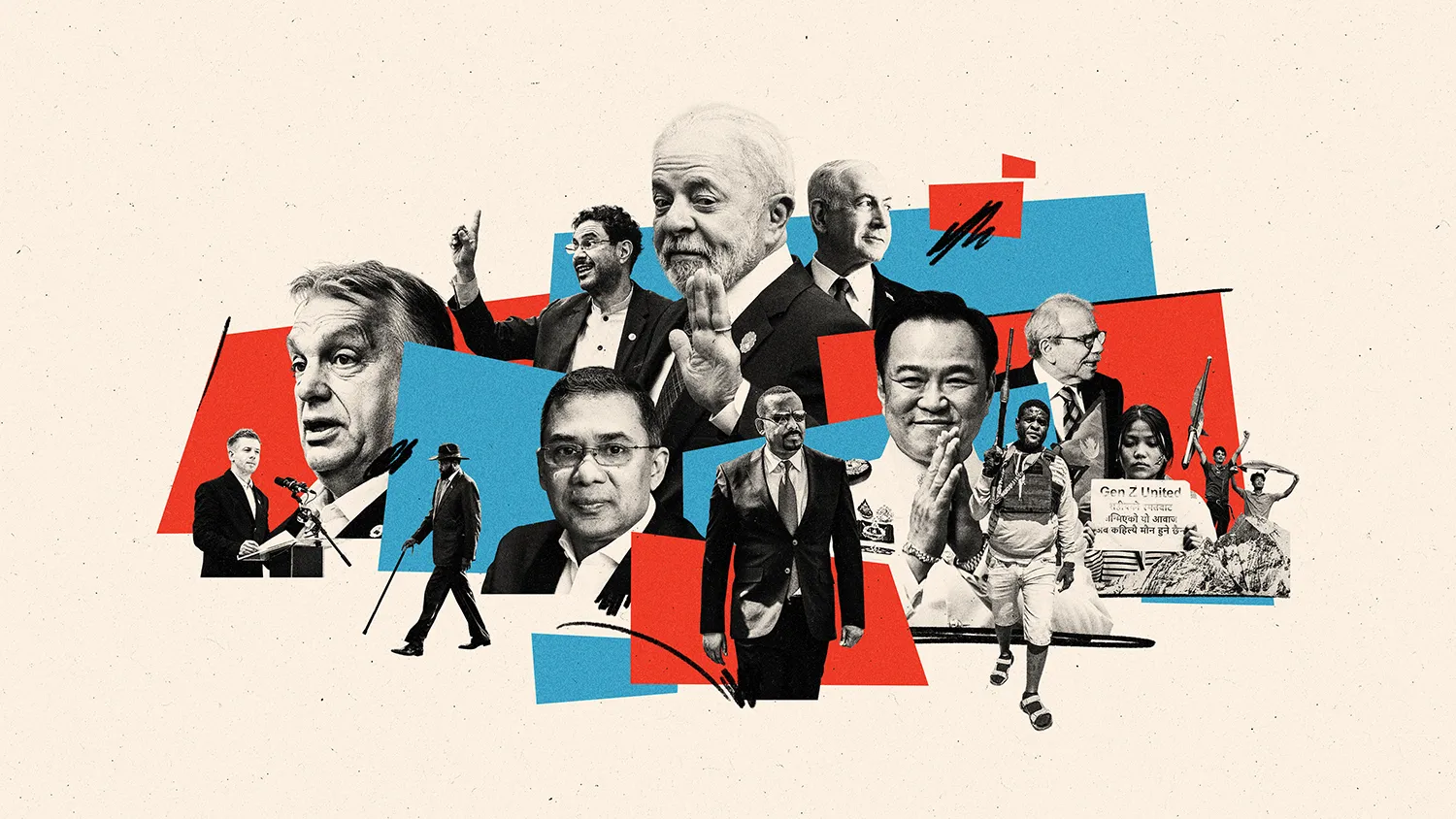
In 2026, democracy is having a moment — but not necessarily a stable one.
Across continents, countries are heading into major elections. From established democracies in Europe and North America to emerging systems in Africa, Asia, and Latin America, millions of citizens are preparing to vote. On the surface, this looks like a celebration of democratic participation.
But beneath that surface lies a growing concern: trust is eroding.
In many countries, fewer people believe that elections are fully free, fair, or reflective of the will of the people. This skepticism is not confined to one region — it’s a global trend. And it’s being driven by a combination of technological, political, and social forces that are reshaping how democracy functions.
One of the most significant factors is misinformation, now amplified by artificial intelligence.
In previous decades, misinformation spread through rumors or biased media. Today, it spreads through highly sophisticated digital content — including deepfake videos, AI-generated speeches, and targeted propaganda campaigns. These tools can distort reality at scale, making it increasingly difficult for voters to separate fact from fiction.
The result is a dangerous cycle: as misinformation spreads, trust declines. And as trust declines, people become more susceptible to misinformation.
Social media platforms play a central role in this dynamic. Algorithms designed to maximize engagement often prioritize emotionally charged or controversial content — the kind most likely to go viral. While this drives user activity, it also amplifies division and polarization.
In many countries, political discourse has become more extreme, with voters clustering into ideological “echo chambers.” These environments reinforce existing beliefs while filtering out opposing views, making compromise more difficult and distrust more entrenched.
But technology is only part of the story.
Economic pressures are also shaping voter behavior. Rising costs of living, unemployment concerns, and inequality are fueling frustration with political systems. In some cases, voters feel that elections do not lead to meaningful change — that regardless of who wins, their daily lives remain the same.
This perception contributes to voter apathy, particularly among young people. While youth engagement has increased in some regions, many still feel disconnected from traditional political institutions. They are more likely to engage through activism, social media, or grassroots movements than through formal electoral processes.
At the same time, governments are facing challenges in maintaining the integrity of electoral systems.
Questions around voter registration, election security, and transparency have become more prominent. In some countries, disputes over election results have led to protests, legal battles, and even violence. The peaceful transfer of power — once considered a cornerstone of democracy — can no longer be taken for granted.
International observers are also paying closer attention. Election monitoring organizations are expanding their efforts, using both human oversight and digital tools to detect irregularities. However, their effectiveness depends on cooperation from governments — which is not always guaranteed.
So what can be done?
Experts suggest that restoring trust in elections requires a multi-layered approach:
- Strengthening electoral institutions to ensure transparency and accountability
- Regulating digital platforms to limit the spread of harmful misinformation
- Investing in civic education to help voters critically evaluate information
- Encouraging inclusive participation, particularly among marginalized groups
Importantly, rebuilding trust is not just about fixing systems — it’s about rebuilding relationships between governments and citizens.
Democracy relies on more than ballots. It depends on a shared belief that the system works — that voices are heard, votes matter, and outcomes are legitimate.
In 2026, that belief is being tested.
The global election wave offers an opportunity — not just to choose leaders, but to rethink how democracy operates in a digital, interconnected world.
Because if trust continues to decline, the risk is not just contested elections — it’s the weakening of democracy itself.