From South America to Eastern Europe, a wave of political protests is challenging traditional governance — exposing how information overload and inequality are eroding public faith in democracy.
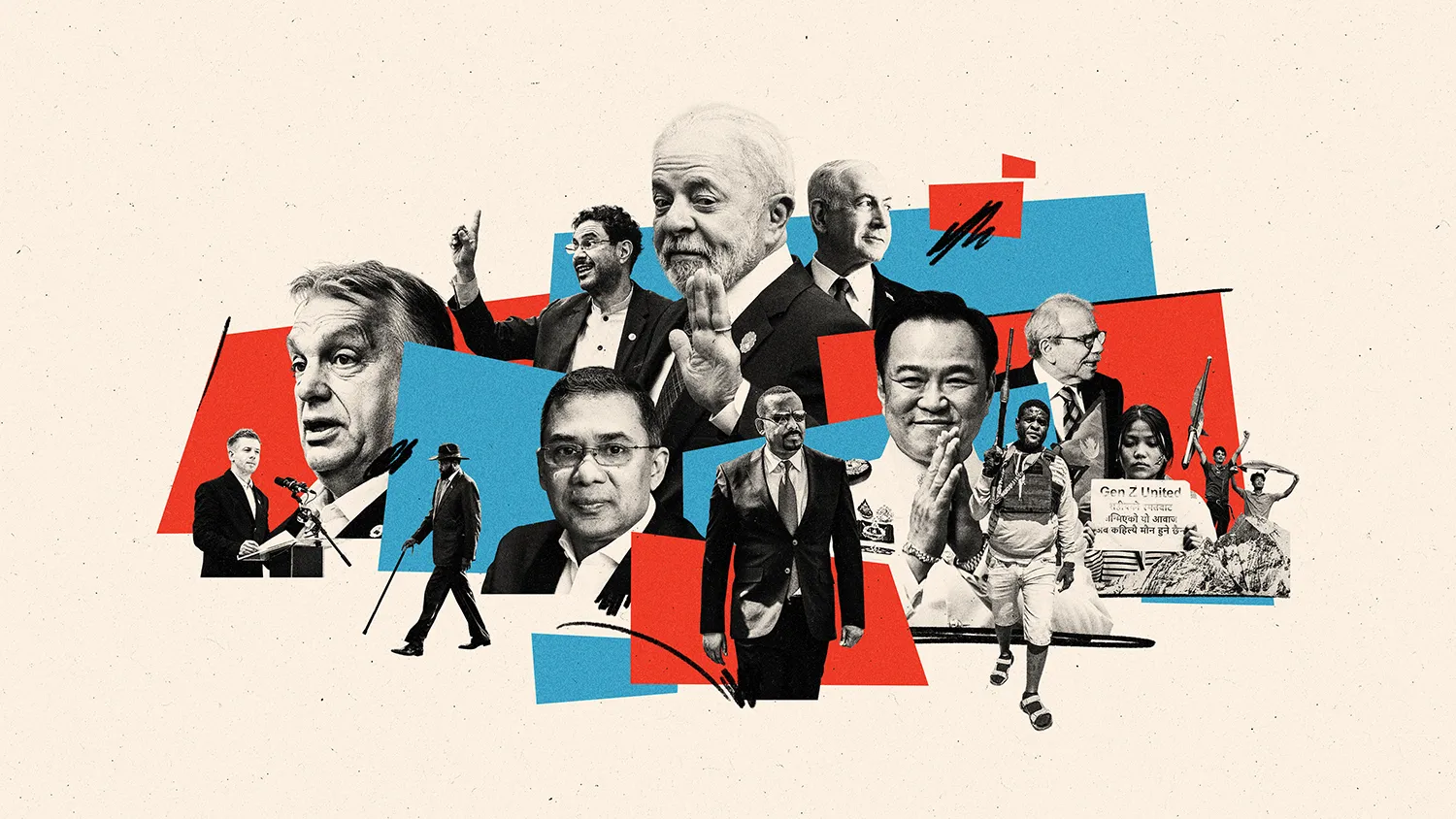
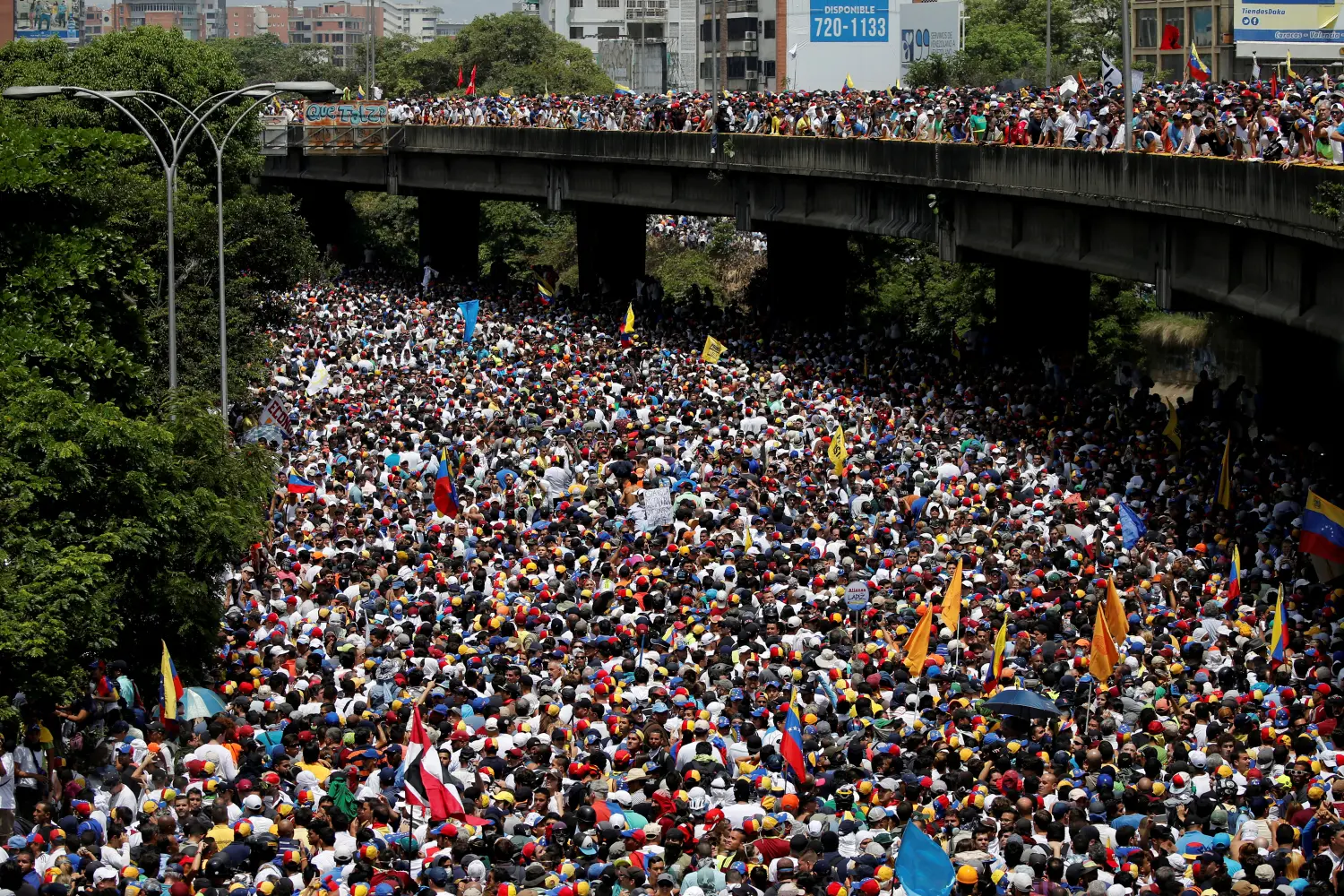
In the last year, more than 60 countries have seen large-scale protests — from Peru and Pakistan to France and Nepal. The reasons vary: corruption, economic inequality, or digital repression. Yet the underlying story is the same — people no longer trust their leaders.
According to the 2025 Edelman Trust Barometer, global trust in government has fallen to its lowest point in over a decade. Citizens are not just angry; they feel disconnected from political systems that seem unresponsive, slow, and often hypocritical.
Experts blame three converging forces: rising inequality, digital misinformation, and generational disillusionment. Young people, especially, are questioning traditional political institutions, opting for activism, online campaigns, and direct community action over voting or party membership.
“The old model of top-down governance simply doesn’t fit an age of networked citizens,” says political sociologist Dr. Leila Montes. “People want participation, not paternalism.”
But the irony is that social media — the very tool empowering these movements — also deepens polarization. Algorithms reward outrage, and disinformation campaigns blur facts. Governments, feeling under siege, respond with censorship or propaganda, further widening the trust gap.
Yet amid the crisis, a new form of civic innovation is emerging. Citizen assemblies, open-data platforms, and community budgeting projects are proving that transparency and participation can rebuild legitimacy.
If the 2020s were about disruption, the late 2020s may be about redesign — not overthrowing democracy, but updating it for the digital era.
Governments worldwide face a choice: evolve toward openness, or risk being drowned out by their own citizens’ voices.