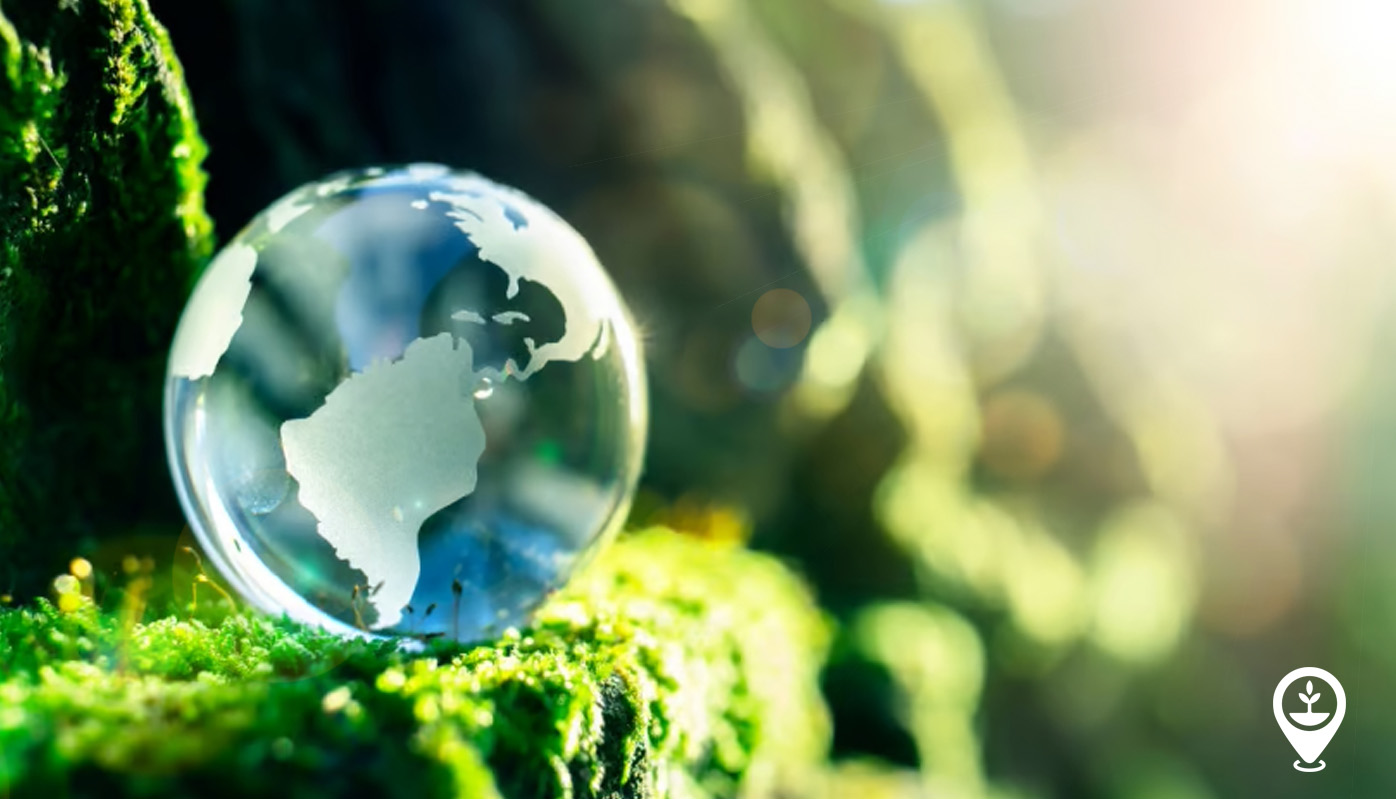
The race to save the planet has become the biggest business opportunity of the century — turning sustainability into the new currency of power.
In 2025, the global economy is going green — not out of moral duty, but survival and profit. From solar microgrids to carbon capture farms, a trillion-dollar transformation is underway, reshaping industries and geopolitics alike.
What began as climate activism has become industrial revolution. The International Energy Agency reports that renewable energy investment surpassed fossil fuels for the first time in 2024, signaling a tipping point in history.
Corporations once skeptical of “eco trends” now treat sustainability as strategy. Apple has pledged carbon-neutral products by 2030. Saudi Arabia is investing billions in green hydrogen. Even oil giants like BP and Shell are rebranding as “energy companies.”
Why? Because climate tech isn’t just saving the planet — it’s driving returns. Startups in clean energy storage, regenerative agriculture, and circular manufacturing are seeing explosive growth.
“This is the new arms race,” says environmental economist Dr. Hiro Tanaka. “Except the weapon isn’t nuclear — it’s carbon efficiency.”
The geopolitical consequences are huge. Nations rich in sunlight, lithium, or wind are becoming the new power brokers. Chile and Namibia are being courted for their mineral wealth, while Africa’s Sahel region — once seen as vulnerable — is emerging as a solar superpower.
Still, the green boom carries risks. Some critics warn of “green colonialism,” where rich nations exploit developing countries’ resources for their own climate goals. Others worry that the rapid scale of innovation outpaces regulation, creating new environmental hazards.
The key challenge is making the green revolution inclusive — ensuring the benefits reach communities, not just corporations.
If the 20th century economy was built on oil, the 21st is built on sunlight, data, and human ingenuity. The future is green — but whether it’s equitable remains humanity’s greatest test.