From meditation apps to biohacking retreats, wellness has transformed from a lifestyle trend into a trillion-dollar global economy — redefining how we measure success and happiness.
Ten years ago, “self-care” meant taking a bubble bath. In 2025, it’s an entire economy.
The global wellness industry — spanning mental health, nutrition, fitness tech, and luxury retreats — has surpassed $5.4 trillion in annual revenue. What was once a niche movement is now mainstream, reshaping consumer behavior and redefining what “wealth” means.
“This generation values well-being over status,” says lifestyle researcher Priya Sethi. “People aren’t just buying things — they’re buying peace of mind.”
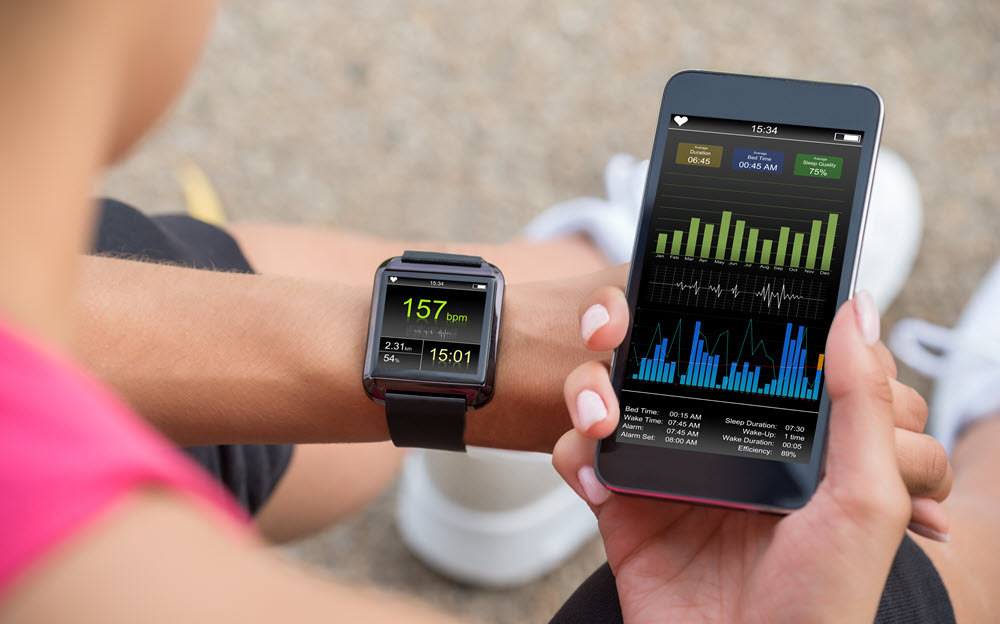
Technology plays a major role. Smartwatches monitor sleep and stress. Apps like Calm, Headspace, and Whoop offer daily mindfulness coaching. AI-driven diet and fitness programs personalize routines down to the micronutrient.
Even corporations are catching on. Employers now include “mental health stipends” and “digital detox leave” in compensation packages. Meanwhile, the luxury market has shifted focus — with brands like Gucci and Four Seasons launching exclusive wellness experiences that blend art, science, and spirituality.
Yet, critics see irony. “Self-care” is now a commodity. Expensive wellness retreats and supplements often exclude those who need them most. The commercialization of mindfulness risks turning healing into another product of privilege.
Still, the cultural shift is profound. Success is no longer measured solely in wealth or status — but in balance, health, and peace.
The wellness boom may be fueled by profit, but its message is timeless: in a world of chaos and noise, taking care of yourself is no longer indulgence — it’s survival.