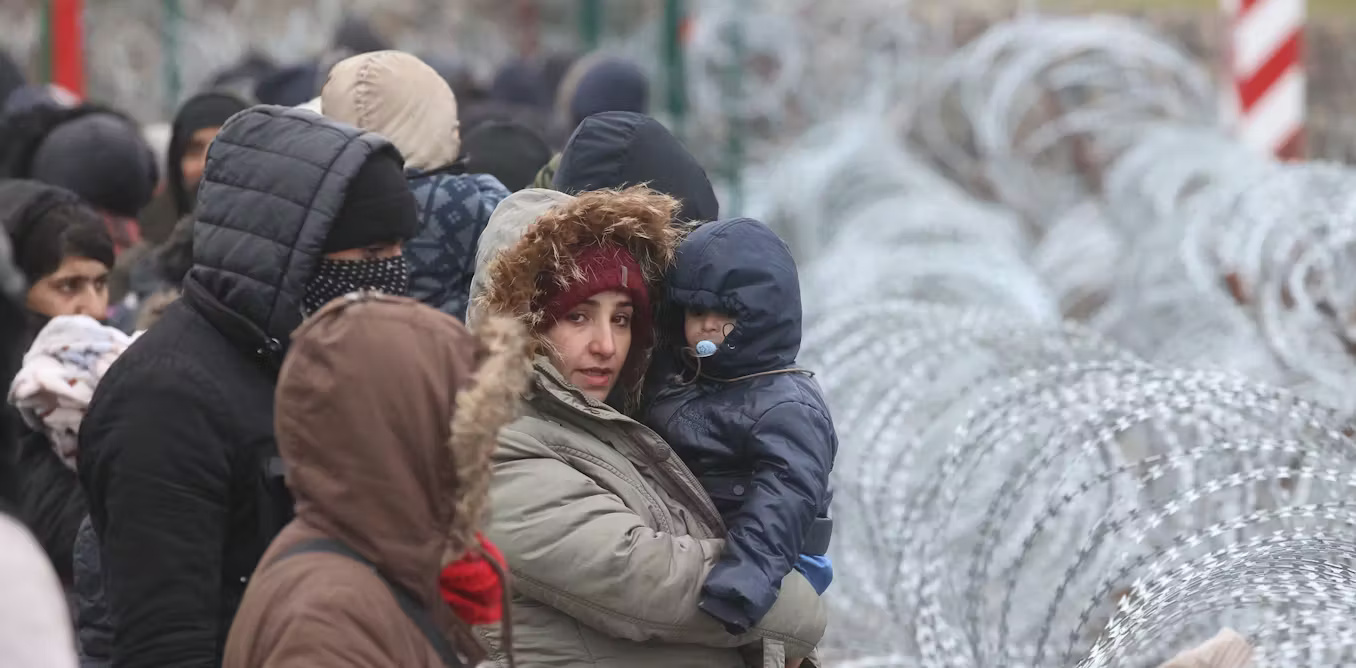
As rising seas, droughts, and heatwaves displace millions, the world is witnessing a new kind of migration crisis — one shaped not by war, but by weather.
In 2025, migration is no longer driven only by politics or poverty — it’s driven by the planet itself. Across continents, entire communities are being uprooted by environmental collapse. From the sinking islands of the Pacific to the drought-ravaged Horn of Africa, a new kind of refugee is emerging: the climate migrant.
The numbers are staggering. The UN estimates that over 250 million people could be displaced by 2050 due to climate-related disasters. But unlike traditional refugees, most climate migrants cross borders not because of conflict, but because their homes have literally disappeared.
Bangladesh’s coastal villages are being consumed by the sea. Wildfires in southern Europe have turned towns into ash. In California, insurance companies are pulling out of wildfire zones, forcing families to relocate.
“Climate migration isn’t a future threat,” says UNHCR analyst Aisha Batur. “It’s already reshaping demographics, economies, and politics today.”
The crisis exposes a major legal gap. Under current international law, climate refugees don’t technically exist — they don’t qualify for asylum under the 1951 Refugee Convention, which defines refugees as people fleeing persecution, not weather.
That legal vacuum leaves millions without protection. Some nations are experimenting with new frameworks — New Zealand has introduced “climate visas” for Pacific Islanders, while the EU is debating climate asylum policies. But global coordination remains elusive.
Beyond borders, climate migration is also transforming urban landscapes. Cities like Nairobi, Dhaka, and Jakarta are absorbing thousands daily, straining infrastructure but also spurring innovation in housing and green jobs.
Migration has always shaped civilization. But this time, it’s not about conquering new lands — it’s about surviving old ones.
The question facing humanity is no longer if we’ll move — but how fairly we’ll handle the greatest human relocation in history.