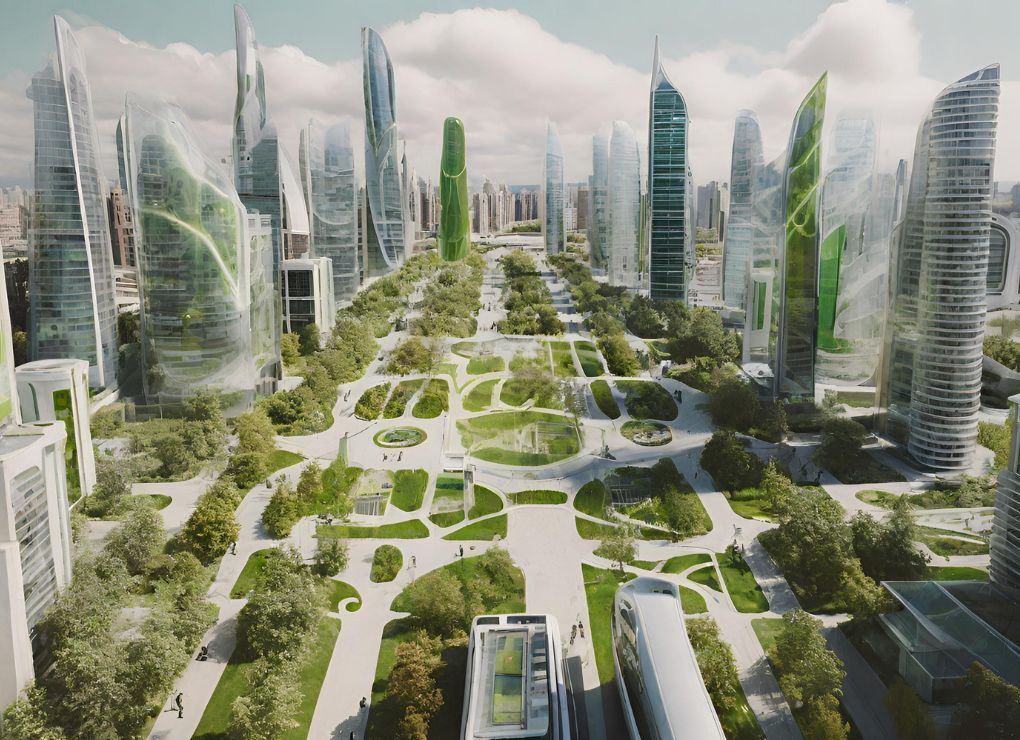
By 2050, two-thirds of humanity will live in cities. The challenge now is to design urban futures that balance technology, sustainability, and the soul of human life.
From vertical forests in Milan to self-cooling skyscrapers in Dubai, the cities of the future are being built — and they’re changing how we live, work, and breathe.
In 2025, urban planning is no longer just about roads and buildings — it’s about resilience and intelligence. With climate change pushing temperatures higher and populations denser, cities are becoming both test labs and battlegrounds for survival.
The new wave of “smart cities” integrates AI, renewable energy, and data-driven governance. Sensors manage traffic, drones monitor air quality, and buildings generate their own power. Singapore and Copenhagen are global leaders, while African cities like Kigali and Nairobi are building tech-driven “green corridors.”
But innovation isn’t just digital — it’s human. Urban designers are rethinking space to prioritize mental health, community, and inclusivity. Car-free streets, rooftop gardens, and co-living hubs are reshaping cityscapes to balance technology with tranquility.
“The 21st-century city is not about efficiency alone,” says architect Bjarke Ingels. “It’s about designing happiness.”
However, the “smart city” vision raises privacy and equity questions. Who owns the data? Will AI-driven surveillance deepen inequality? Will poorer regions be left behind in a world built for the connected elite?
The answers will define the future of civilization. The best cities won’t just be smart — they’ll be kind.
As humanity urbanizes, the challenge isn’t to make cities more like machines — but to make them more like communities again.