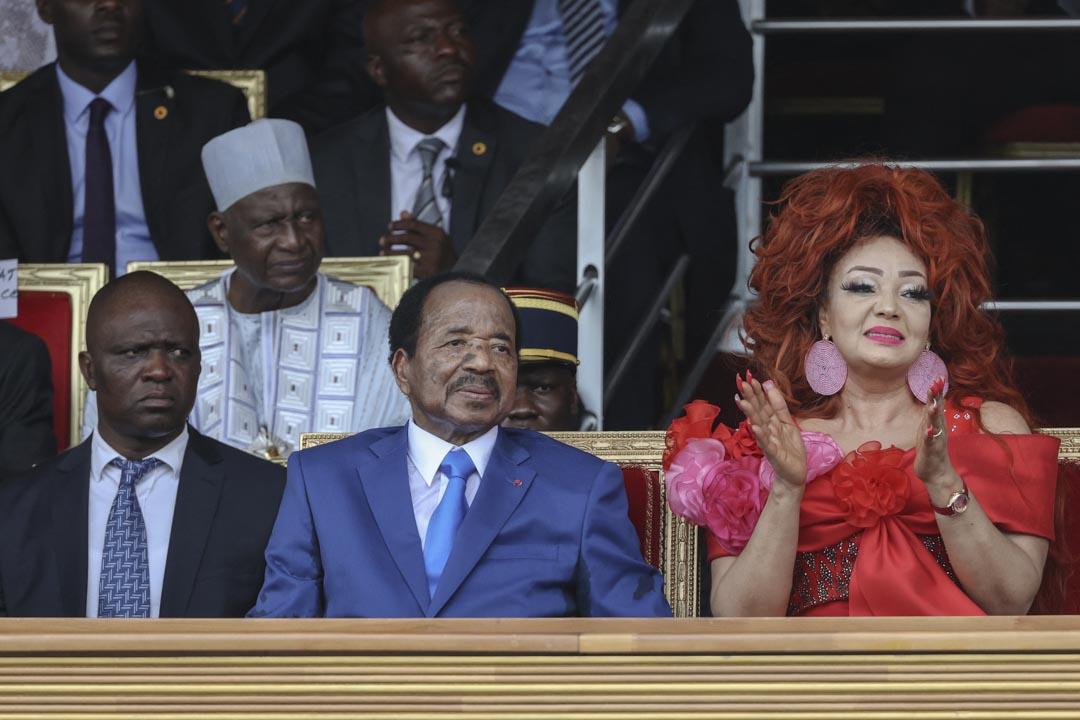
As Cameroon holds its presidential vote today, the contest is raising stakes in Central Africa’s political dynamics — testing legitimacy, democracy, and the balance between stability and transformation.
On 12 October 2025, Cameroon holds its presidential election, a moment that could reshape Central African politics. Though incumbent power structures remain strong, this election is receiving scrutiny unlike any before: social media is more active, youth turnout is higher, and opposition voices are pushing harder.
In recent years, Cameroon has faced mounting challenges: regional conflicts in Anglophone regions, tensions over resource distribution, and calls for decentralization. The stakes of this election go beyond who wins — it’s about whether the system can adapt.
Opposition candidates are demanding transparency in voter rolls, independent monitoring, and climate of political safety. Meanwhile, the ruling party warns that instability could follow fringe causes.
International observers will watch for electoral fairness, civil liberties, and post-election stability. For Cameroon and neighboring states, the process matters: outcomes in one nation echo in regional blocs. If Cameroon’s election is marred by fraud or repression, the legitimacy of regional institutions may also suffer.
For Tezla News, this moment offers a deep-dive lens into how elections in Africa are evolving — where social media, youth activism, and global pressure converge.