The drone incursions over Polish airspace mark a turning point in global security — showing how automation and AI are changing the rules of military engagement.
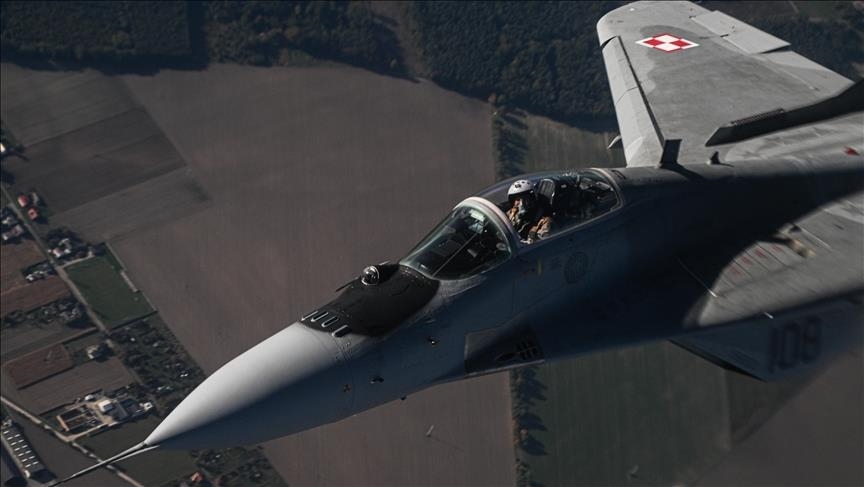
When reports surfaced that Russian drones had crossed into Polish territory in late September 2025, alarms rang across Europe. While the physical damage was minimal, the psychological shock was immense. For the first time, NATO borders were tested not by tanks or missiles, but by unmanned aerial systems guided by artificial intelligence.
This new frontier of conflict isn’t about armies on battlefields — it’s about invisible algorithms, satellite links, and the blurring line between surveillance and aggression.
In previous decades, such an incident might have led to immediate retaliation. Today, diplomats and defense analysts are asking a different question: Who’s really in control — the humans or the code?
Military experts warn that the rapid rise of autonomous weapons has outpaced international law. Unlike traditional attacks, drone incursions are difficult to trace, easy to deny, and cheaper to execute. They create a “gray zone” — aggression without formal war.
Poland’s foreign ministry called the incursion “a hybrid provocation,” while NATO’s response was cautious. Behind closed doors, discussions are reportedly underway about new protocols for AI-driven warfare, including automated retaliation systems — a chilling concept that could one day trigger conflict faster than human diplomacy can react.
“The future of deterrence is no longer nuclear — it’s digital,” says military analyst Tomasz Wrona. “The nation that controls drone intelligence controls the balance of fear.”
What makes this development even more concerning is accessibility. The same AI tools used to create deepfakes or self-driving cars are being repurposed by state and non-state actors for reconnaissance and attack.
The Polish incursion may not lead to war — but it is a clear signal that warfare is entering an era where the front lines are drawn not on maps, but in the cloud.