Beyond superstition and science, events like the 2025 Blood Moon remind us of our shared wonder — and how the cosmos continues to shape culture and consciousness.
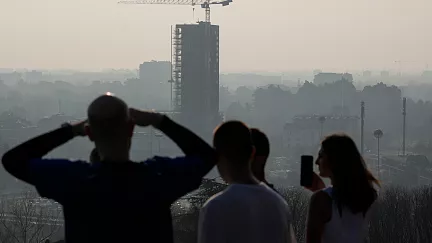
When the Blood Moon appeared in September 2025, millions across the world looked up — phones in hand, cameras clicking, conversations buzzing. For a few hours, social media was united by something primal: wonder.
In an age where news cycles are dominated by conflict and division, celestial events have become global moments of collective awe. The 2025 Blood Moon, visible across parts of Asia, Africa, and Europe, wasn’t just a lunar eclipse — it was a reminder of how humanity connects through mystery.
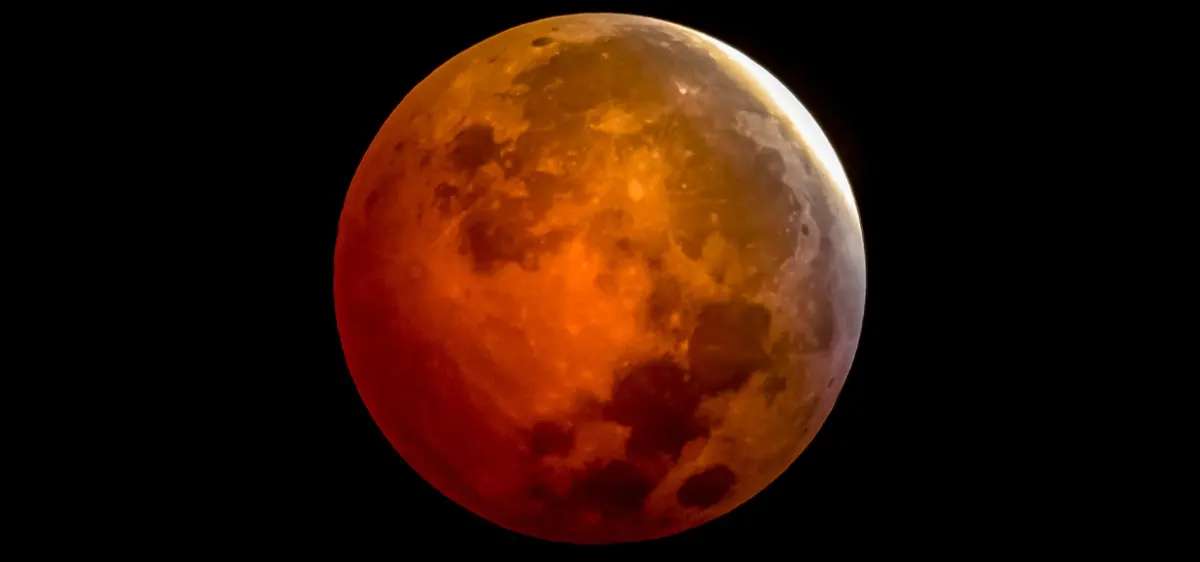
Historically, blood moons carried superstition: omens of war, famine, or divine intervention. But modern science tells a different story — the reddish tint results from Earth’s shadow filtering sunlight through the atmosphere, scattering blue light and leaving red hues behind.
Yet even knowing the physics doesn’t dull the emotion. Psychologists call this the “awe effect” — a moment when humans feel small but connected to something vast. Studies show that awe can reduce stress, increase empathy, and even promote environmental consciousness.
“The universe doesn’t just inspire curiosity,” says astrophysicist Dr. Laila Freeman. “It humbles us — and humility is vital in a world fractured by ego and division.”
The global fascination with the Blood Moon also highlights how astronomy is evolving into a cultural movement. Space agencies now livestream eclipses and planetary alignments, with billions tuning in. Schools use them as opportunities for science education, while artists, poets, and musicians draw creative energy from cosmic imagery.
In an era where many feel disconnected from nature, celestial events rekindle that ancient relationship between humans and the sky.
Perhaps the true power of the Blood Moon isn’t scientific — it’s symbolic. It shows that even in a digital, divided world, we can still pause, look up, and remember: we all share the same sky.