Milan’s recent pollution spike is not just about smog — it lays bare the unequal burden of industrial, urban, and climate stress on vulnerable communities.
Earlier today, Milan ranked second globally in air pollution levels. But behind the data is a story of who breathes worst.
Pollution does not hit populations equally. In Milan (as with many cities), lower-income neighborhoods near highways or industrial zones often register far higher particulate exposure than wealthier districts with green buffers.
Health impact studies show that these areas experience earlier onset of respiratory disease, greater hospitalization, and shortened lifespans. The cost is not just medical — it’s social equity.
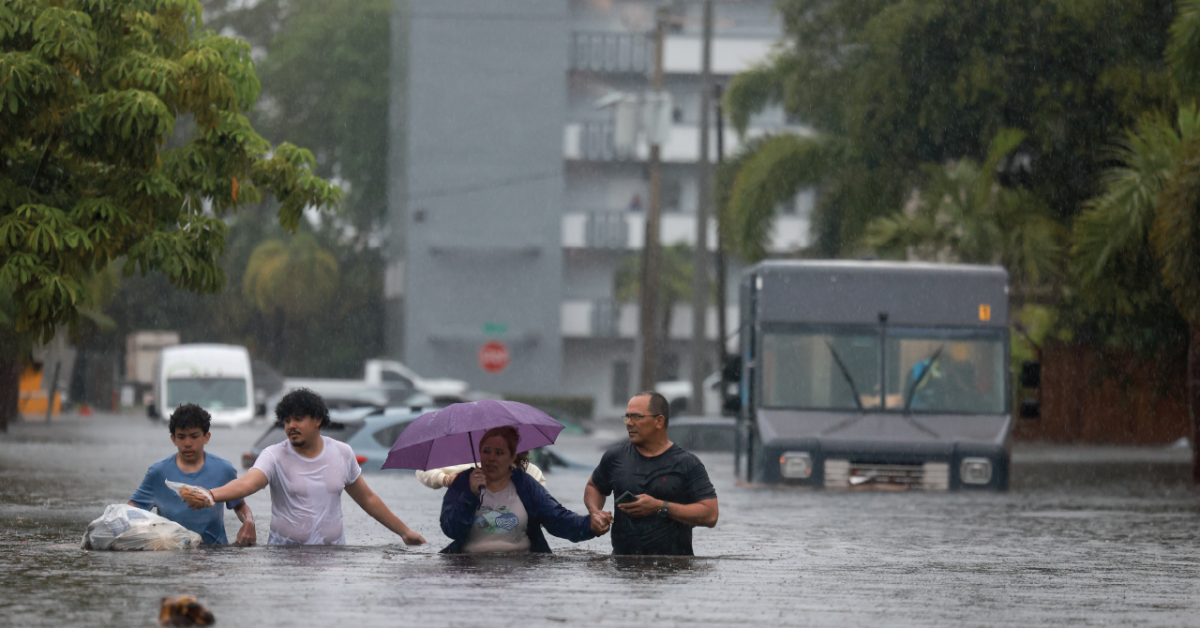
Further, these inequalities compound climate vulnerability. Communities exposed to more pollution also tend to have weaker infrastructure, fewer green spaces, and less political voice — making them more prone to heat stress, flooding, and environmental degradation.
Cities around the world are confronting this dual challenge: how to clean air everywhere and ensure that environmental justice is central, not peripheral.