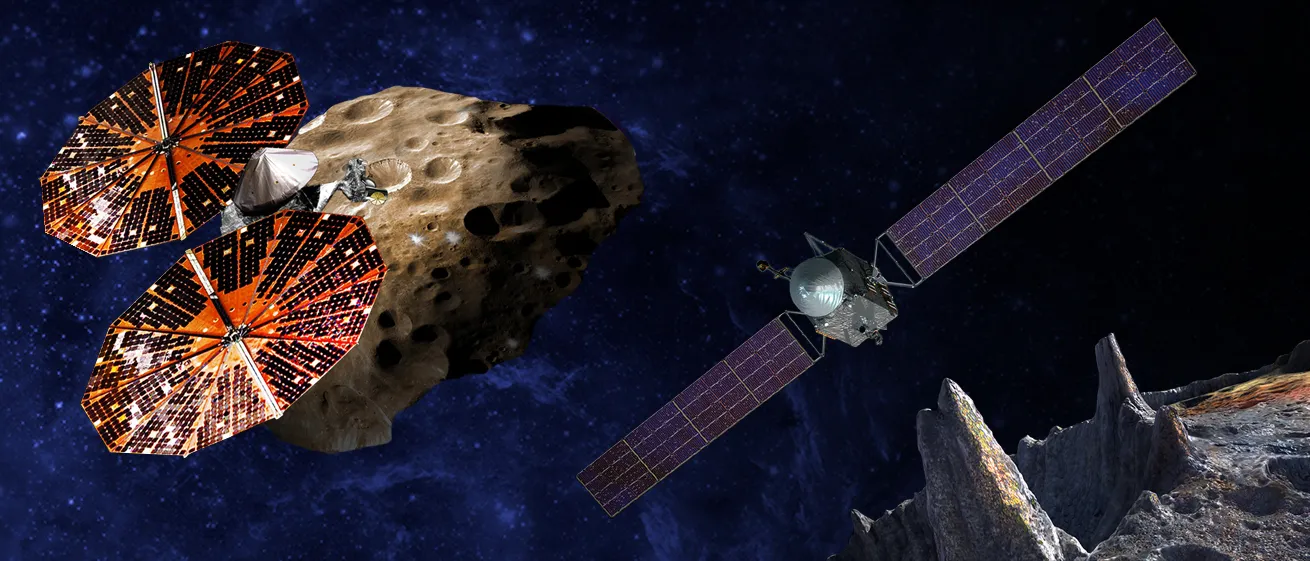
From asteroid mining to space-based solar power, outer space has become the next economic frontier — and the competition to own it has already begun.
The final frontier is no longer science fiction — it’s a business plan.
In 2025, the space economy is valued at over $630 billion, driven by private companies racing to commercialize the cosmos. SpaceX, Blue Origin, and China’s CASC are launching satellites, building space stations, and preparing for lunar mining — all while dozens of startups join the race.
The reason? Opportunity. Asteroids hold trillions in precious metals. Orbiting solar arrays could power entire continents. And low-Earth orbit has become the new Silicon Valley — packed with satellite constellations powering AI, communications, and defense.
“Space is the new internet,” says aerospace economist Carla Mendoza. “The infrastructure being built today will define the next 100 years of commerce and communication.”
But behind the excitement lies a growing risk of space inequality and cosmic colonization. A handful of billionaires and nations control most of the launch capacity, while poorer countries face barriers to participation.
Then there’s the problem of space debris — more than 36,000 trackable objects now orbit Earth, threatening future missions and communications networks. Without regulation, humanity risks turning orbit into a junkyard.
Still, cooperation is emerging. The UN’s “Space Sustainability Accord” — signed by 40 nations this year — aims to establish fair resource-sharing and environmental standards.
For young innovators, the space economy offers limitless potential: from tourism to robotics to off-world agriculture. But it also raises timeless ethical questions — about ownership, responsibility, and what kind of civilization we want to be when we reach the stars.
As nations and entrepreneurs look skyward, one truth endures: space may belong to no one — but the future it shapes belongs to all of us.