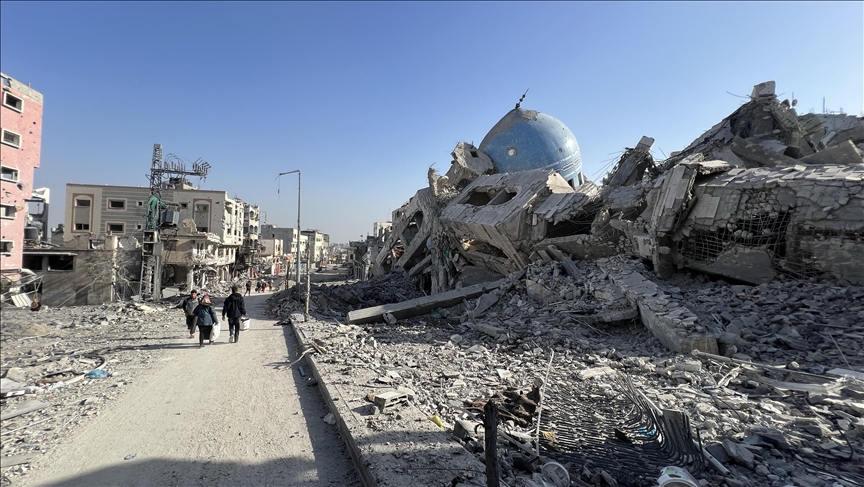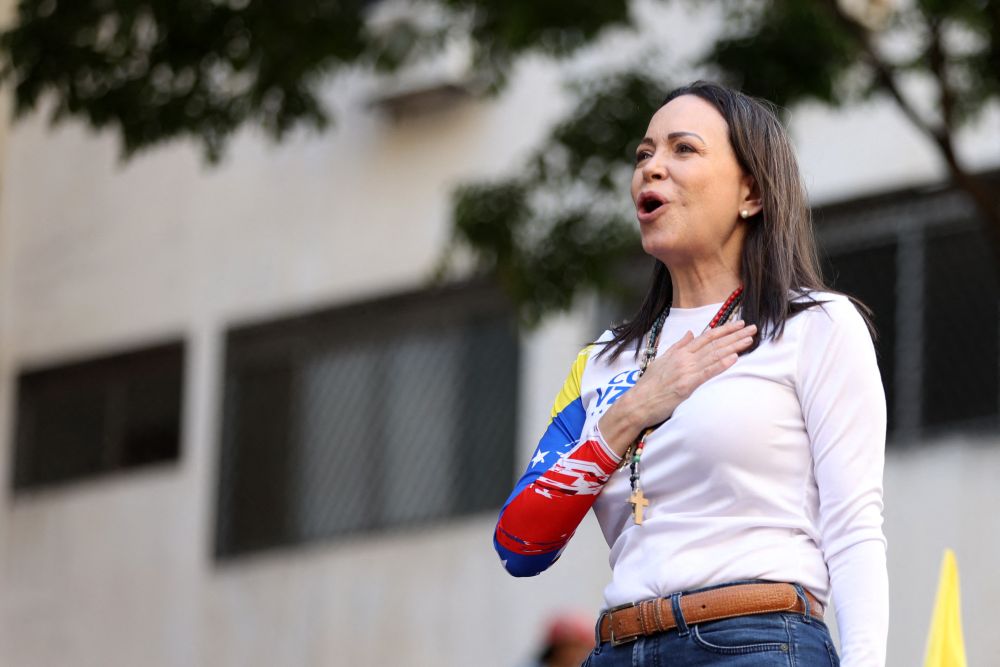
The recent Gaza ceasefire and awarding of the 2025 Nobel Peace Prize to Venezuelan activist María Corina Machado have reignited debate on what peace, recognition, and symbolism truly mean in modern conflict.
When Israel and Hamas agreed to a ceasefire in early October, many hoped it would mark a turning point. Instead, the global spotlight shifted swiftly: the 2025 Nobel Peace Prize went to Venezuelan democracy activist María Corina Machado, igniting surprise, controversy, and widespread social media reaction.
Together, these events reflect a deeper tension in how modern conflicts and recognitions are mediated: not just through diplomacy and war, but through narrative, symbolism, and public legitimacy.
On one hand, the Gaza ceasefire signals a fragile but important diplomatic thaw. After years of conflict, it suggests that sustained external pressure, shifting alliances, and regional dynamics may finally push warring parties toward a pause. Yet many remain skeptical: past ceasefires have failed amid violations and mutual distrust.
On the other hand, awarding the Nobel to Machado — not a traditional state actor, but a civic leader — signals how global institutions are elevating nonviolent resistance and moral authority in conflicts. For some, it’s a validation: democracy activism over military might. For others, a provocation: why not choose leaders in the Middle East or Gaza?
In the digital age, awards and statements echo far beyond corridors of power. Memes, social media outrage, and public debates amplify symbolism. When Donald Trump failed to win the prize, social media erupted with satire and mockery — showing how even elite decisions are refracted through popular culture.
The lesson? In 2025, peace and recognition are no longer just about diplomacy or conflict — they’re narratives fought in public squares, social media feeds, and global opinion.
For nations in turmoil, legitimacy is as critical as territory. And today, the battleground is just as much about stories as it is about ceasefires.