With Milan currently ranking among the world’s most polluted cities, the crisis underscores how climate, urbanization, and health intersect — and what it costs when a metropolis chokes.
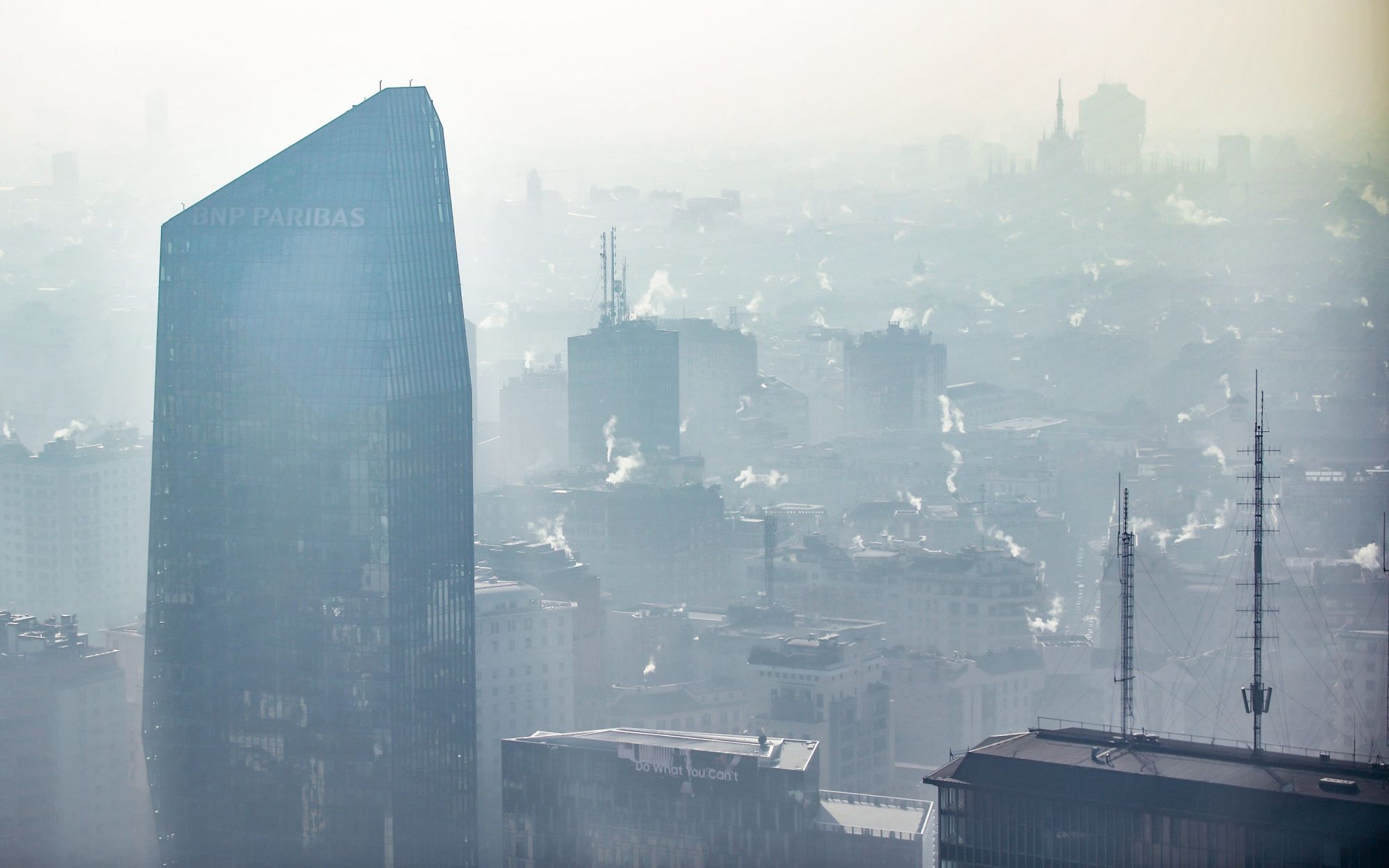
On 12 October 2025, satellite and ground sensors recorded alarming air pollution levels over Milan, placing it 2nd among the most polluted cities globally that morning.
For a city known for art, fashion, and design, the air quality has become a public health crisis. Diseases like asthma, bronchitis, cardiovascular strain, and even cognitive decline correlate with long-term exposure to fine particulate matter (PM₂.₅) and nitrogen oxides.
This episode is not unique — many global cities face similar challenges. But Milan’s case is instructive because it shows three converging forces:
- Geography + Weather: Milan lies in the Po Valley, a basin where cold air traps pollutants. When inversion layers form, pollutants stagnate.
- Traffic + Industry: Despite zoning and low-emission initiatives, car traffic, aging diesel fleets, and nearby industrial zones contribute heavily.
- Climate Change Feedback: Warmer winters and less wind reduce dispersion; heat accelerates chemical reactions that increase ozone and smog.
Public responses are mixed. The local government has imposed odd-even plate bans, temporarily closed major arterials, and urged “smart mobility.” But such measures often feel reactive, not systemic.
Health experts argue Milan needs multi-decade interventions: expanding public transit, greening urban corridors, shifting to zero-emission zones, and improving energy standards for buildings.
The Milan crisis is a warning to every growing city: clean air is not a luxury — it’s infrastructure. If economic growth is measured by livability, then air should be a top metric.