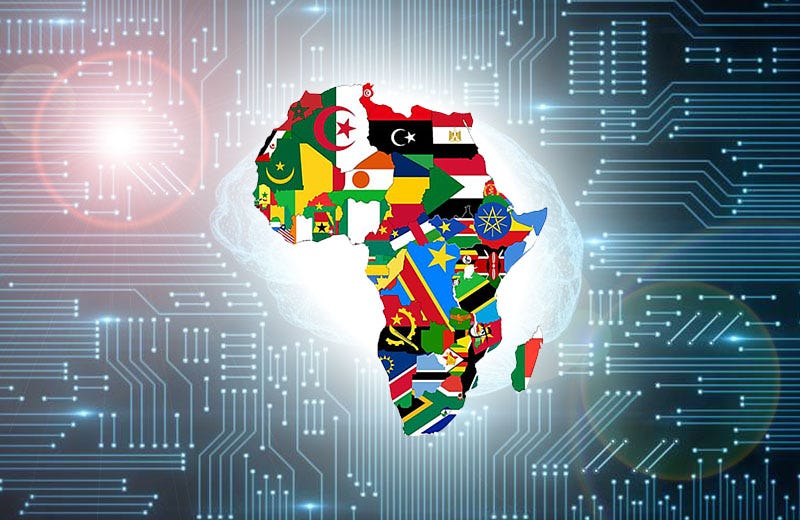
Once seen as a tech consumer, Africa is now emerging as a tech creator — with startups redefining innovation through necessity, creativity, and connectivity.
In 2025, a quiet revolution is happening across African cities. From Lagos to Nairobi, Kigali to Cape Town, new startups are turning local problems into global solutions — and investors are paying attention.
According to the African Development Bank, African startups raised over $8 billion in funding in 2024, with fintech, health tech, and renewable energy leading the way. Unlike the flashy tech hubs of the West, Africa’s innovation ecosystem is built on pragmatism: solving everyday challenges in energy, finance, education, and logistics.
Take M-KOPA, which brings pay-as-you-go solar to rural households, or Flutterwave, powering digital payments across borders. These companies aren’t chasing hype — they’re filling gaps that Western models never addressed.
The secret? Youth and mobile access. Over 70% of Africa’s population is under 30, and smartphone penetration has crossed 60%. With this digital generation comes agility, creativity, and a hunger for change.
“The rest of the world innovates for convenience,” says Nairobi-based investor Amina Muriithi. “Africa innovates for survival — and that’s far more powerful.”
International players have noticed. Google, Microsoft, and OpenAI have expanded AI research centers in Kenya and Nigeria, while venture capital firms are now setting up local offices. Even small cities like Dar es Salaam and Accra are becoming mini-hubs for startups serving niche global markets.
Challenges remain: unreliable infrastructure, limited funding access, and political instability. But the momentum is undeniable.
Africa’s tech story isn’t about catching up — it’s about leapfrogging. When mobile money took off in Kenya before most of the West had adopted digital payments, it proved a simple truth: innovation follows necessity, not geography.
By 2030, Africa may not be the “next Silicon Valley.” It might be something even better — a new model for inclusive, purpose-driven innovation that the rest of the world will study.